
Entering a major retail chain is a milestone, but not every path to the shelf looks the same. The right choice depends on your production scale, logistical capabilities, and whether you want to build your own brand or simply move high volumes. Here is a breakdown of the most common models for fruit and vegetable suppliers.
🚛 1. Direct Collaboration (Centralized Delivery)
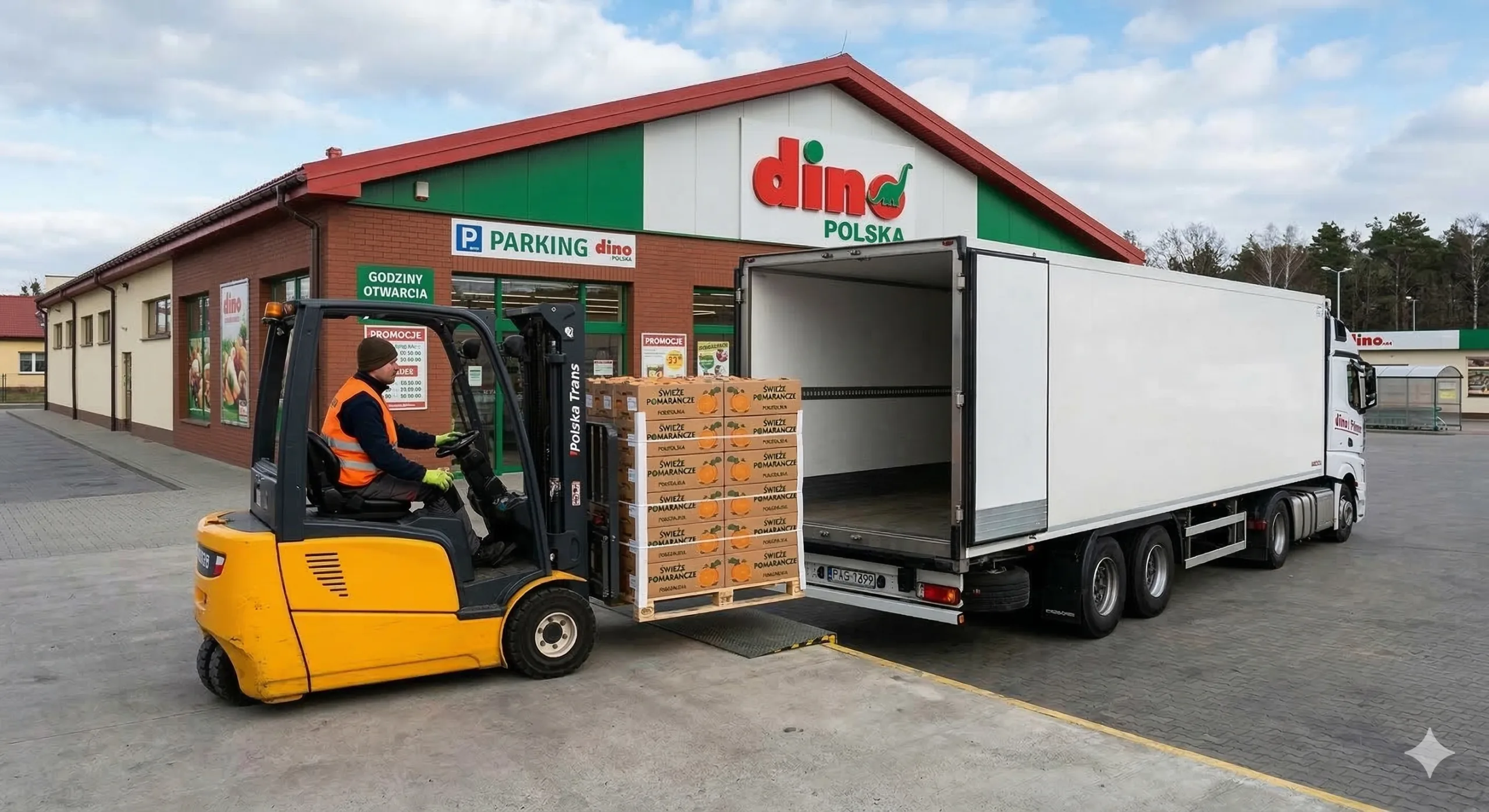
In this model, you sell directly to the retail chain and deliver products to their Central Distribution Centers (CDs). The chain then handles the final transport to individual stores.
- The Upside: You get high sales volumes, long-term stability, and clear delivery schedules.
- The Challenge: It requires high logistical maturity. You must follow strict Just-In-Time (JIT) standards, where even a small delay can lead to penalties or loss of contract.
Best For: Large producers with their own logistics and a high capacity for standardized packaging.
Many chains, like Lidl, often prefer to work through specialized agencies rather than hundreds of individual small farmers. Agencies such as OKL.pl, Bimaro, or Cichowlas act as a bridge.
- The Upside: The intermediary handles the "corporate" side—quality control, complex documentation, and centralized transport. They often pay faster than large chains, which helps your liquidity.
- The Challenge: You will have lower margins because the distributor takes a commission. You also have less direct influence on your relationship with the chain’s buyer.
- Best For: Small to medium-sized growers who have great produce but aren't ready for the administrative burden of a major corporation.
🏷️ 3. Private Label
Here, you produce fruits or vegetables that are sold under the retail chain’s own brand (e.g., Biedronka’s specialized packaging)
- The Upside: Massive volumes and a guaranteed "priority" spot on the shelf. It is often a very stable, long-term contract.
- The Challenge: You lose control over your own brand. There is also intense price pressure, as the chain wants to offer its brand as the cheapest high-quality option.
- Best For: High-efficiency producers who can survive on low margins by selling huge quantities.
🏬 4. Franchise and Local Store Partnerships
Instead of the central office, you negotiate directly with owners of individual shops within a franchise (like Lewiatan or ABC).
- The Upside: Higher flexibility in pricing and the ability to build personal, long-term relationships with shop managers. Decisions are made much faster.
- The Challenge: Orders are smaller and fragmented. You may have to manage dozens of different accounts and delivery routes.
- Best For: Local producers focused on freshness and "regional" appeal.
💡 Strategic Advice: Start Small
If your dream is to supply Biedronka, remember they have 3,000 stores and 16 distribution centers. If you don't have "thousands" of hectares, you risk failing to meet their volume requirements.
Expert Tip: Test your operational "muscles" on smaller formats first, such as Stokrotka, Arhelan, or Topaz. Once you prove you can deliver consistent quality and handle the logistics, the giants will be much more willing to listen.